

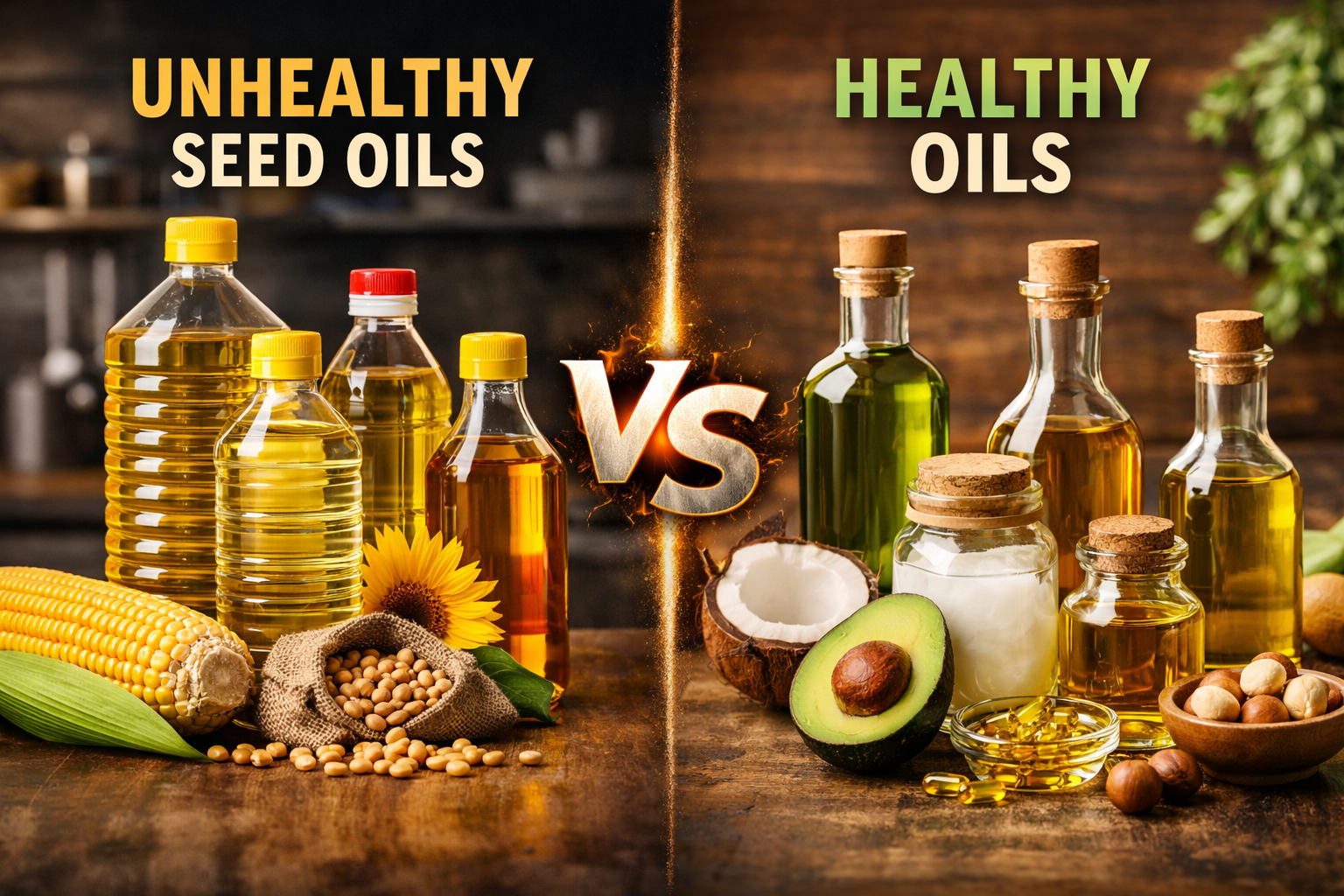
The Hidden Danger in Your Kitchen
What Seed Oils Are Really Doing to Your Body


For decades, nutrition advice encouraged people to replace traditional fats like butter with “heart-healthy vegetable oils.” Supermarket shelves quickly filled with canola, soybean, sunflower, and corn oil, which soon became staples in restaurants and home kitchens.
But today, a growing number of scientists and nutrition researchers are asking an important question:
Did we misunderstand the long-term effects of seed oils?
Seed oils now dominate the modern diet. They appear in processed foods, restaurant fryers, salad dressings, packaged snacks, and fast food meals. Yet the way these oils are produced and how they behave when heated has sparked an ongoing debate among health experts.
This article explores what seed oils are, how they are made, and what research currently suggests about their possible impact on human health.
What Exactly Are Seed Oils?

• Soybeans
• Sunflower seeds
• Corn kernels
• Rapeseed (canola)
• Cotton seeds
Unlike natural oils such as olive oil or coconut oil, which can be obtained through simple pressing, most seed oils require industrial processing to extract the fat from the seeds.
The process often involves several stages:
- Seeds are crushed into a paste
- High heat and pressure are applied
- Chemical solvents such as hexane are used to extract remaining oil
- The oil is refined, bleached, and deodorized to remove odors and discoloration
The final product is a clear, odorless oil with a long shelf life, which makes it ideal for large-scale food production.
However, critics argue that the heavy industrial processing may alter the chemical structure of the oil and reduce its nutritional quality.
The Omega-6 Fatty Acid Debate
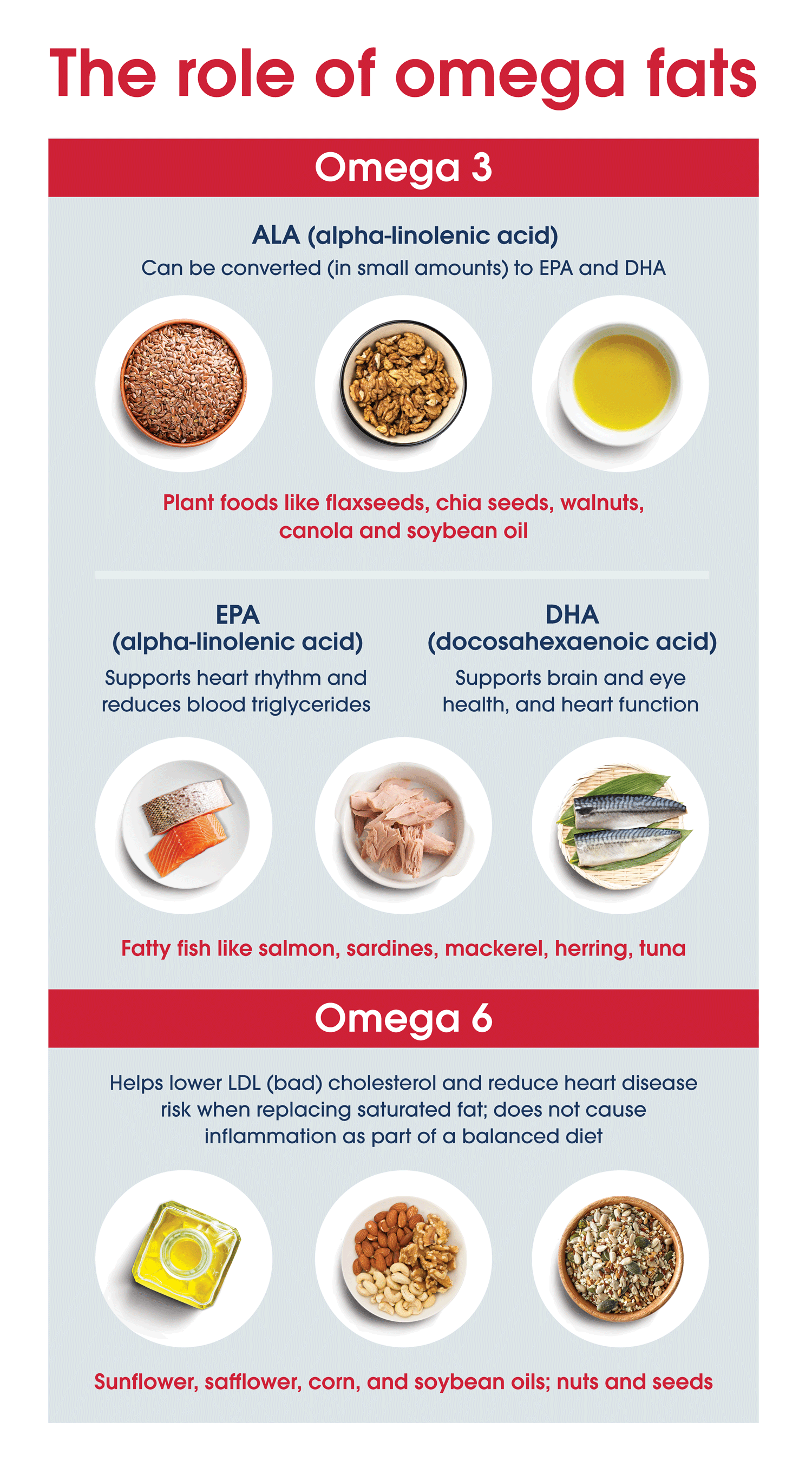
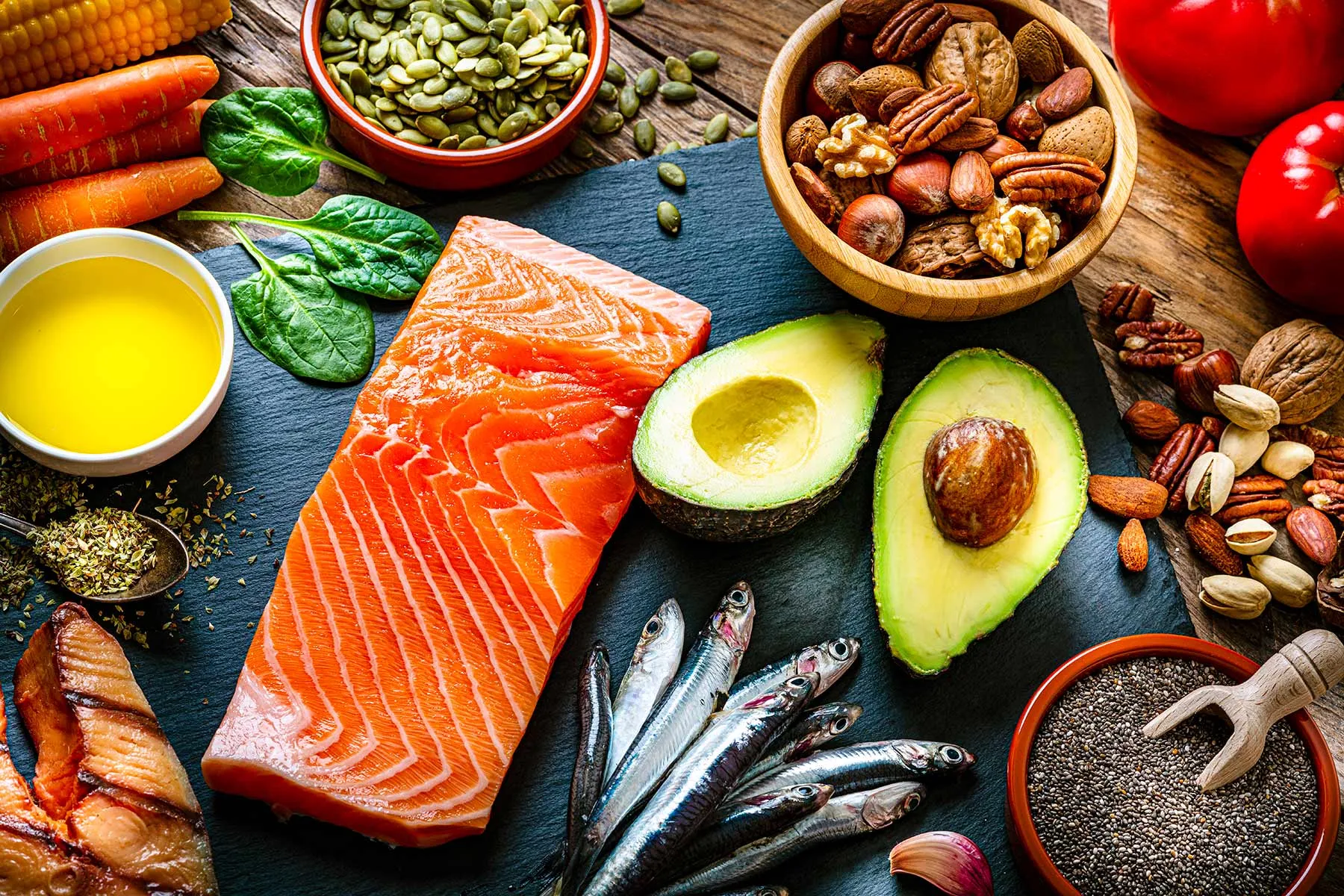
At the center of the seed oil debate is the balance between omega-6 and omega-3 fatty acids.
Both fats are essential nutrients that the human body cannot produce on its own. However, they perform very different roles:
Omega-3 fats
- Found in fish, walnuts, and flaxseeds
- Help regulate inflammation
- Support brain and heart health
Omega-6 fats
- Found in many seed oils
- Play a role in immune and inflammatory signaling
Inflammation itself is not harmful. In fact, it helps the body fight infections and heal injuries. The issue arises when the balance between omega-6 and omega-3 becomes heavily skewed.
Anthropological estimates suggest early human diets had an omega-6 to omega-3 ratio of roughly 1:1 to 4:1.
Modern diets, however, often reach 15:1 or even 20:1, largely because seed oils are used so widely in processed foods and restaurant cooking.
What Happens When Seed Oils Are Heated?


Seed oils are rich in polyunsaturated fats, which contain multiple chemical bonds that make them sensitive to heat, oxygen, and light.
When these oils are heated to frying temperatures, they can break down and produce chemical by-products.
Researchers studying cooking oils have identified several compounds that can form during repeated heating:
• Aldehydes – linked to oxidative stress and cell damage
• Trans fats – small amounts may form during processing or overheating
• Acrolein – a toxic compound also found in cigarette smoke
• Lipid peroxides – oxidized fats associated with inflammation
Repeated heating cycles, which commonly occur in restaurant deep fryers, can increase the concentration of these compounds.
While occasional use may not be harmful, frequent exposure through processed foods and deep-fried meals may contribute to long-term health concerns.
BEST COOKING OILS FOR HEART HEALTH
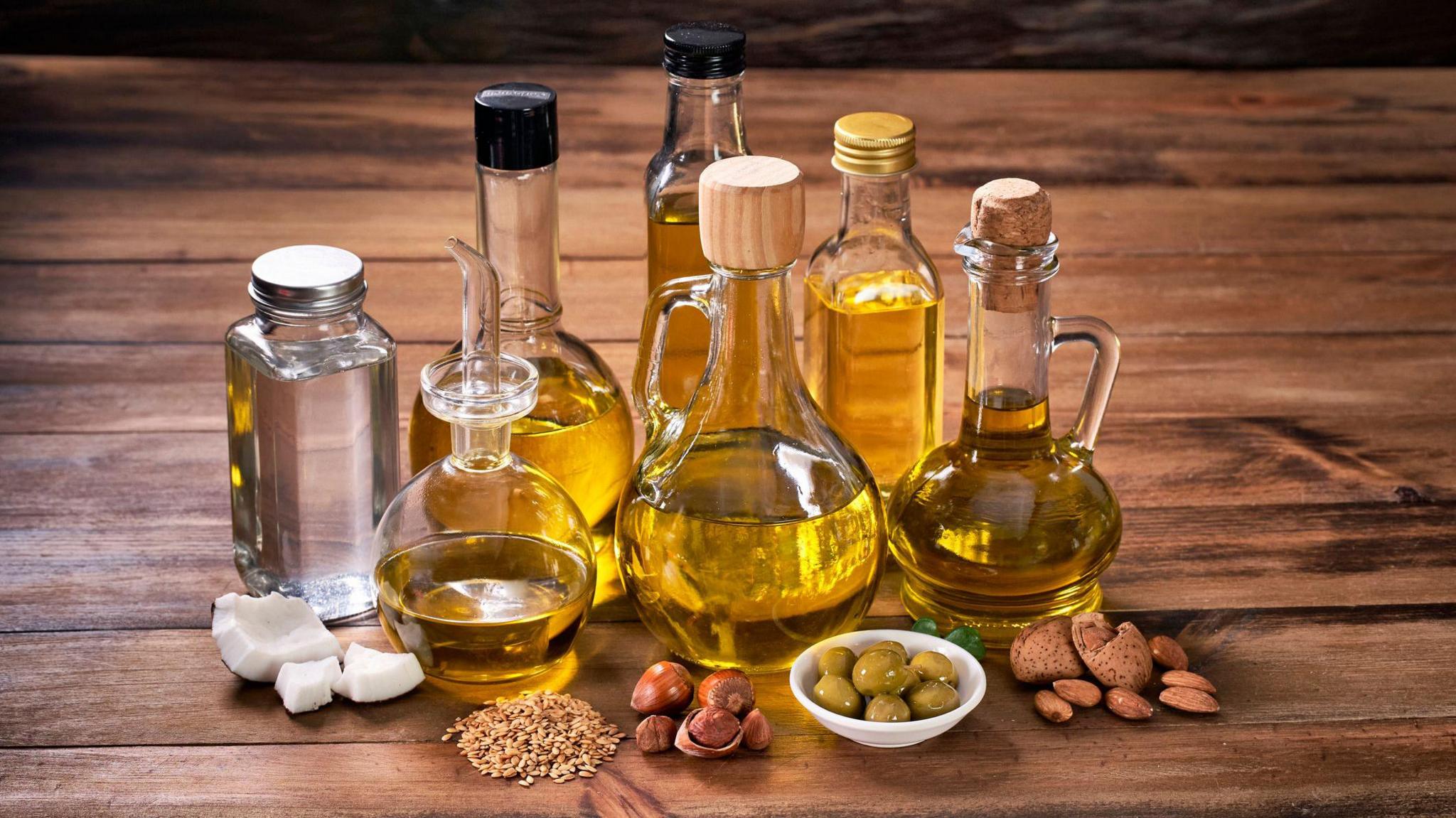
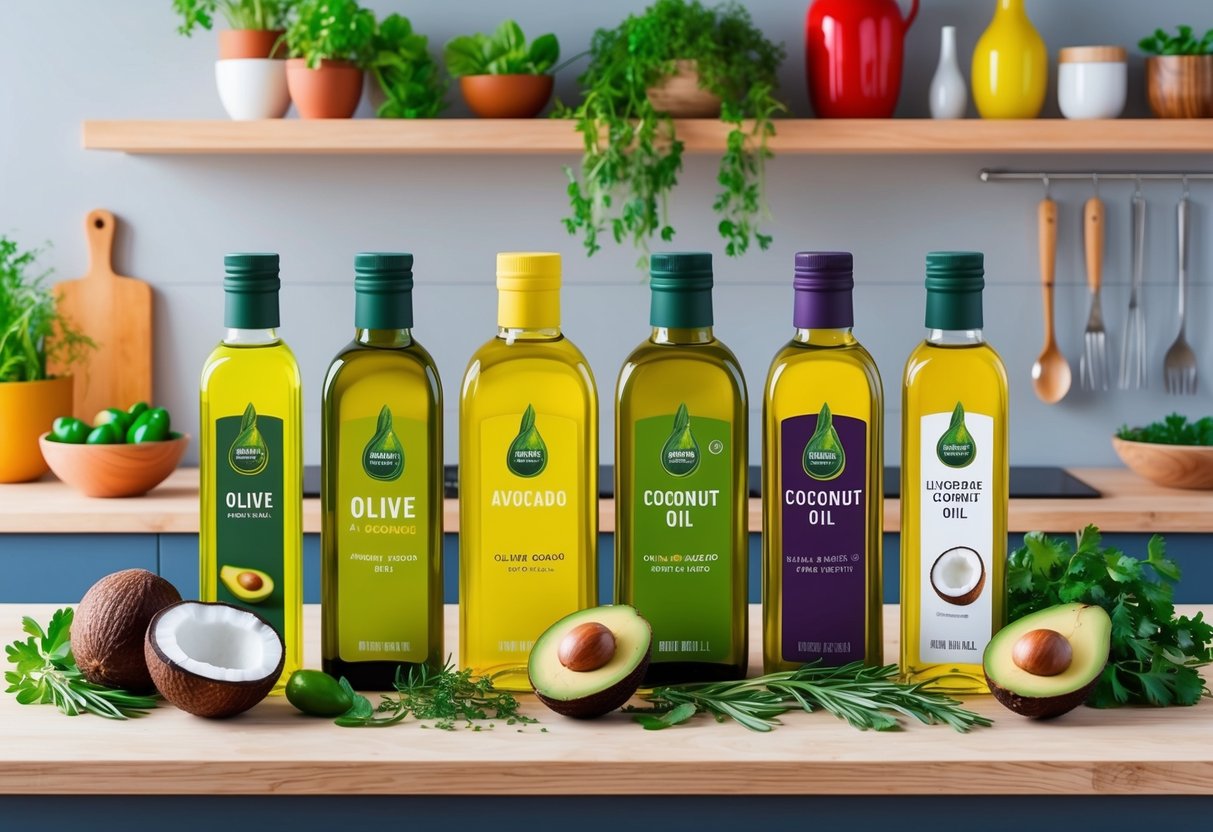
Often minimally processed and more heat resistant:
• Extra virgin olive oil
• Avocado oil
• Butter or ghee
• Coconut oil
These fats have been used in traditional diets for centuries and tend to be less chemically altered during production.
Possible Links to Chronic Disease


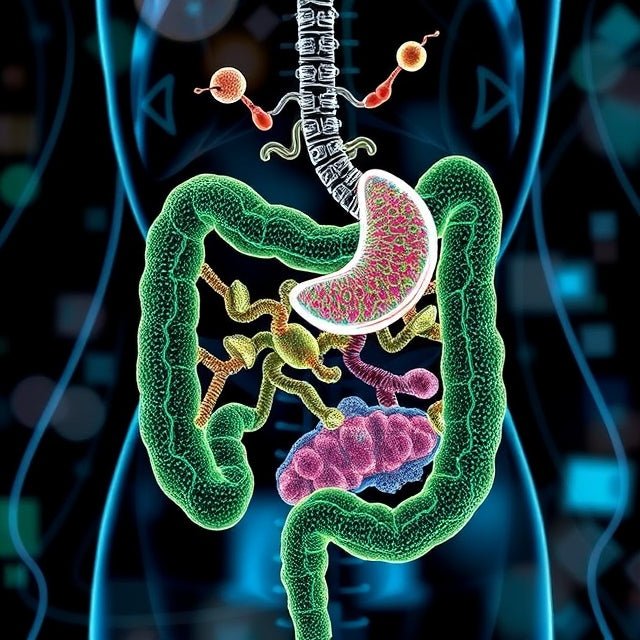
Researchers are still studying how large amounts of omega-6-rich oils may influence chronic diseases.
Areas currently being investigated include:
Cardiovascular Health
Vegetable oils were once promoted for lowering LDL cholesterol. However, some scientists now focus more on oxidized LDL, which may be more strongly linked to plaque formation in arteries.
Metabolic Disorders
Animal studies suggest diets high in linoleic acid may influence fat storage and insulin response, though human evidence remains mixed.
Inflammation and Gut Health
High omega-6 intake may affect inflammatory pathways. Chronic inflammation is associated with conditions such as:
• arthritis
• cardiovascular disease
• metabolic syndrome
• neurodegenerative disorders
Researchers are also exploring whether oxidized fats may impact the intestinal barrier and gut microbiome.
Better Cooking Fats for Your Kitchen
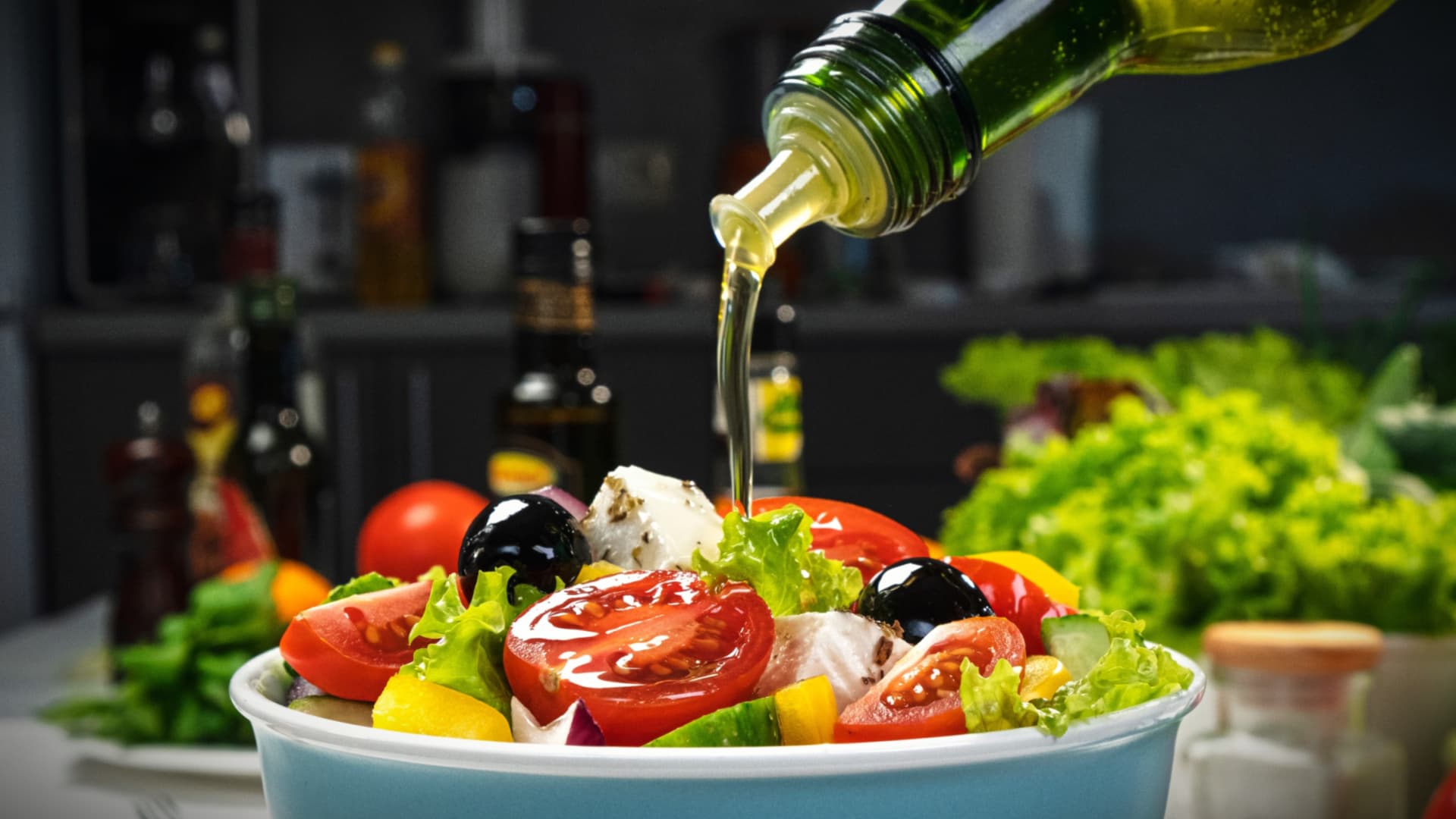
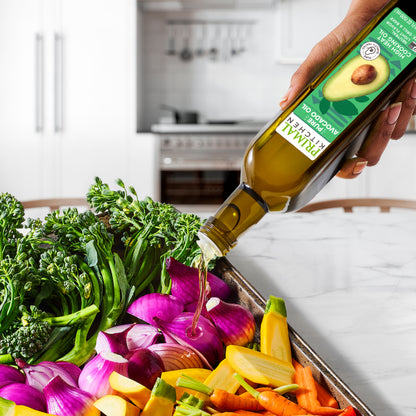
If you are reconsidering the oils you use at home, there are several alternatives often recommended for their stability and minimal processing.
High-Heat Cooking
• Ghee
• Refined avocado oil
• Refined coconut oil
Medium-Heat Cooking
• Butter
• Light olive oil
• Virgin coconut oil
Cold Uses
• Extra virgin olive oil (excellent for salads and dressings)
For baking, butter or coconut oil can often replace vegetable oil at a 1:1 ratio.
It is also important to check ingredient labels. Many packaged foods contain soybean oil, canola oil, or generic “vegetable oil.”
The Bottom Line
Seed oils are not automatically harmful, and they remain widely used across global food production.
However, several factors have sparked renewed discussion among researchers:
• They are highly processed compared to traditional fats
• They contain large amounts of omega-6 fatty acids
• They may be chemically unstable during high-heat cooking
• Modern diets contain far more of them than historical diets
Traditional fats such as olive oil, butter, coconut oil, and animal fats have been used in human diets for centuries and are generally less industrially processed.
For many people, improving dietary fat quality simply means choosing simpler, minimally processed cooking fats and reducing heavily processed foods.
Small daily choices — even something as simple as the oil you cook with — can quietly influence long-term health.