


Climate Change and Women’s Menstrual Cycle
Understanding the Effects and Protecting Your Health
Climate change is often discussed in terms of rising sea levels, extreme weather, and global warming. However, scientists are increasingly recognizing that climate change can also affect human health, including women’s reproductive health and menstrual cycles.
A woman’s menstrual cycle is regulated by a delicate balance of hormones, nutrition, emotional wellbeing, and environmental conditions. When these factors are disrupted—by extreme heat, pollution, food insecurity, or stress—the menstrual cycle may also change.

Understanding these connections can help women protect their health and build resilience in a changing environment.
1. Heat Stress and Hormonal Balance

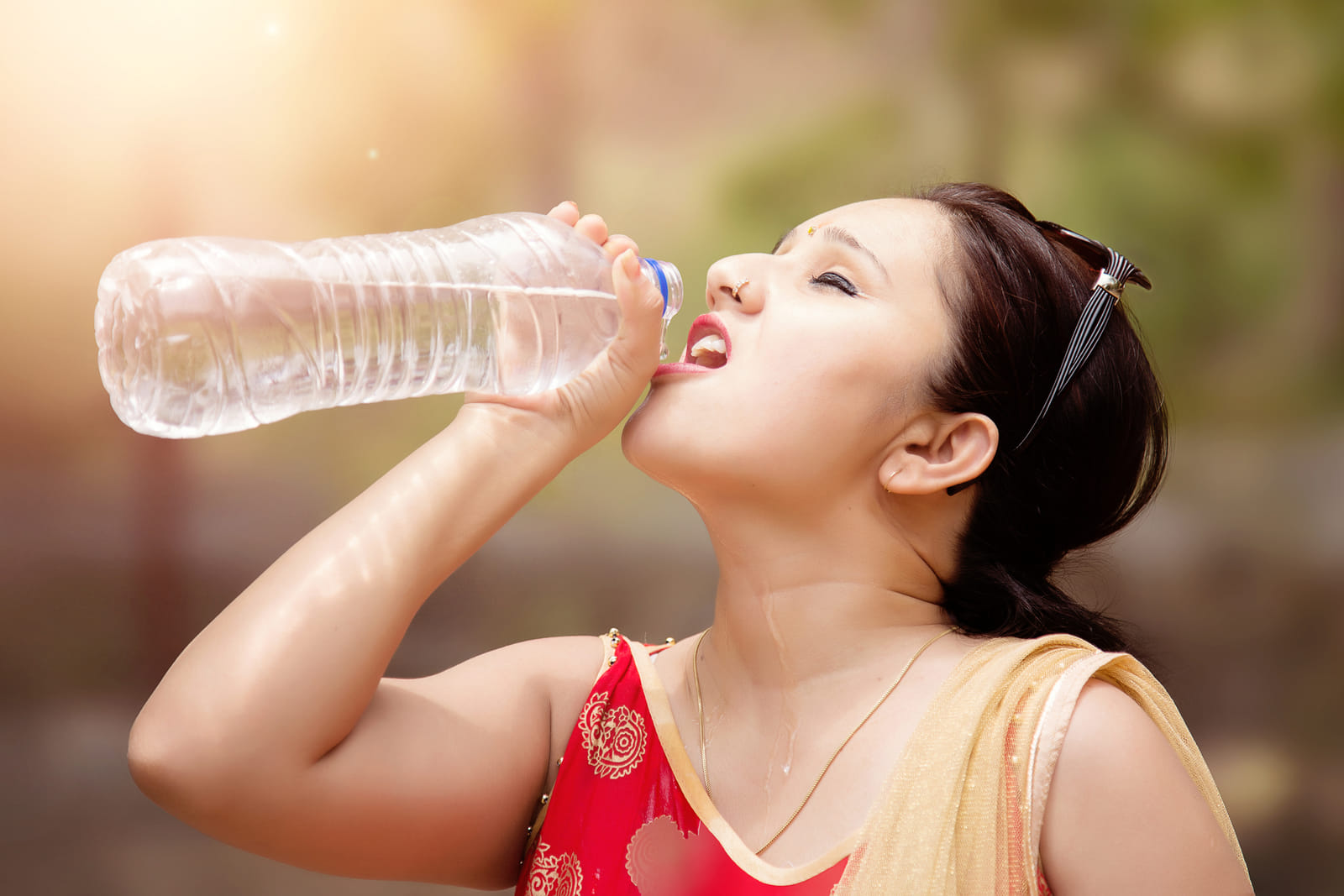
Rising global temperatures are one of the most visible effects of climate change. Prolonged exposure to extreme heat places the body under stress, which can interfere with the hormonal system that regulates menstruation.
The menstrual cycle is controlled by the hypothalamus–pituitary–ovarian (HPO) axis, which coordinates hormone signals between the brain and the ovaries. When the body experiences heat stress, this hormonal communication may be disrupted.
Possible effects include:
- Irregular menstrual cycles
- Delayed ovulation
- Heavier or lighter periods
- Increased fatigue during menstruation
Extreme heat can also lead to dehydration, which may worsen headaches, cramps, and dizziness during a period.
2. Psychological Stress from Climate Events



Climate disasters such as floods, droughts, and wildfires can create long-term emotional stress. Stress triggers the release of the hormone cortisol, which can interfere with reproductive hormones like estrogen and progesterone.
High stress levels may lead to:
- Missed periods (amenorrhea)
- Longer or shorter menstrual cycles
- Worsening PMS symptoms
- Increased menstrual cramps
Even everyday stress related to climate uncertainty—sometimes called “climate anxiety”—can influence hormonal balance.
3. Food Insecurity and Nutritional Deficiencies

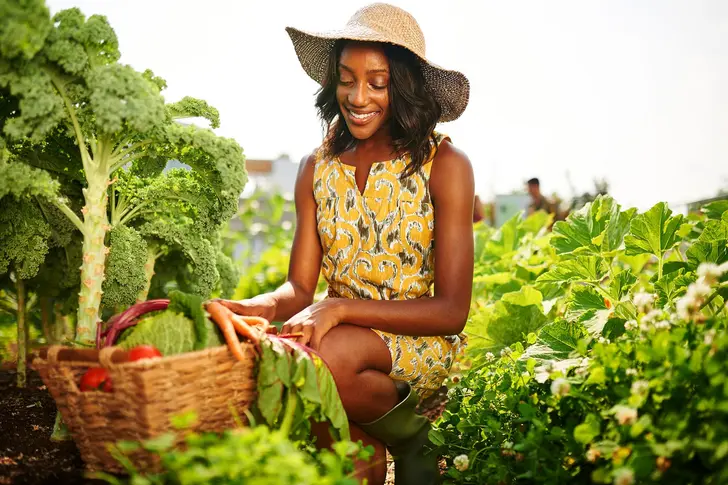

Climate change affects food production through droughts, floods, and changing growing conditions. When food becomes scarce or expensive, women may not receive the nutrients necessary for hormonal health.
Key nutrients needed for menstrual health include:
Iron
- Spinach
- Lentils
- Beans
- Pumpkin seeds
Healthy fats
- Avocados
- Nuts
- Olive oil
- Leafy greens
- Bananas
- Seeds
Without adequate nutrition, women may experience:
- Irregular periods
- Reduced fertility
- Extreme fatigue during menstruation
4. Pollution and Hormone Disruption



Climate change and industrial activity can increase exposure to air pollution and environmental chemicals. Some pollutants act as endocrine disruptors, meaning they interfere with hormone function.
These chemicals may contribute to:
- Hormonal imbalance
- Early puberty
- Changes in menstrual cycle length
- Fertility challenges
YOU CAN ALSO CHECK ON FERTILITY GUMMIES
Reducing exposure to pollutants—such as avoiding pesticides and choosing natural products—can help protect hormonal health.
How to Reduce Body Stress and Support Hormonal Health
Stay Hydrated


Hydration is essential for maintaining body temperature and hormonal balance.
Try to drink:
- 6–8 glasses of water daily
- Herbal teas such as ginger, chamomile, or mint
Hydration helps reduce headaches, fatigue, and cramps during menstruation.
Practice Stress Management


Managing stress is one of the most powerful ways to protect menstrual health.
Helpful practices include:
- Yoga
- Meditation
- Deep breathing exercises
- Walking in nature
Even 15 minutes of relaxation daily can significantly improve hormonal balance.
Gardening Habits That Boost Women’s Health
Growing your own food is one of the best ways to improve nutrition while reducing stress.
Grow Iron-Rich Vegetables


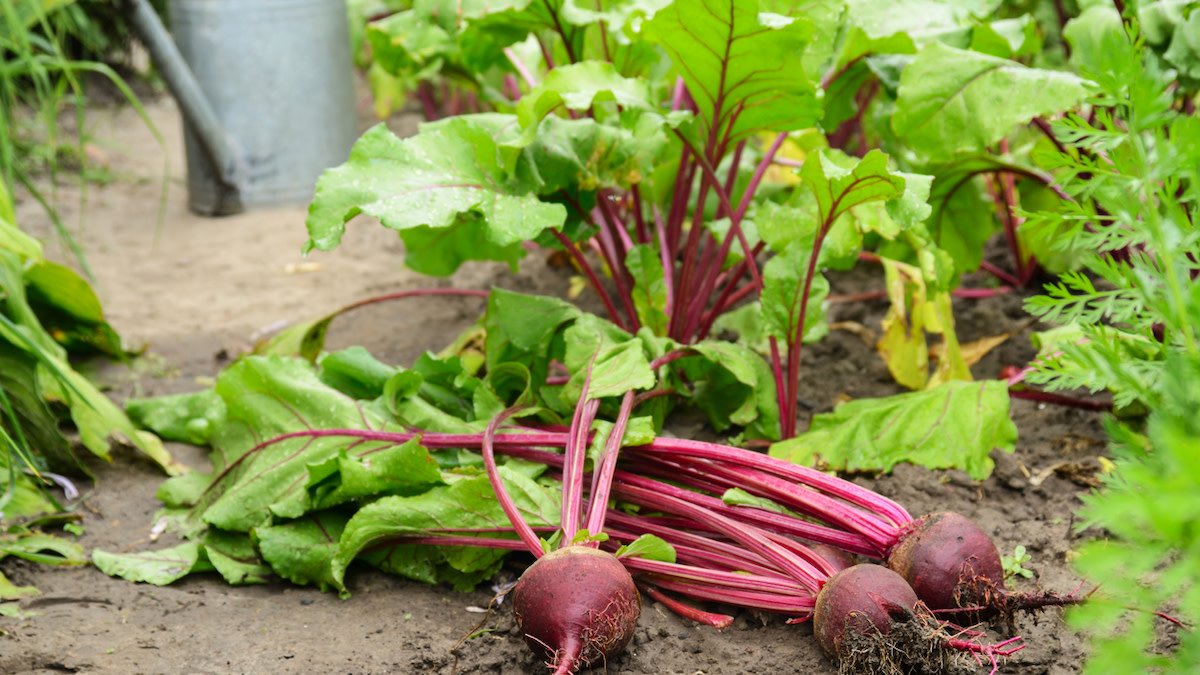
Iron deficiency is common among women due to blood loss during menstruation.
Easy vegetables to grow include:
- Spinach
- Kale
- Swiss chard
- Beetroot
These crops grow well in small kitchen gardens or containers.
Grow Hormone-Balancing Herbs


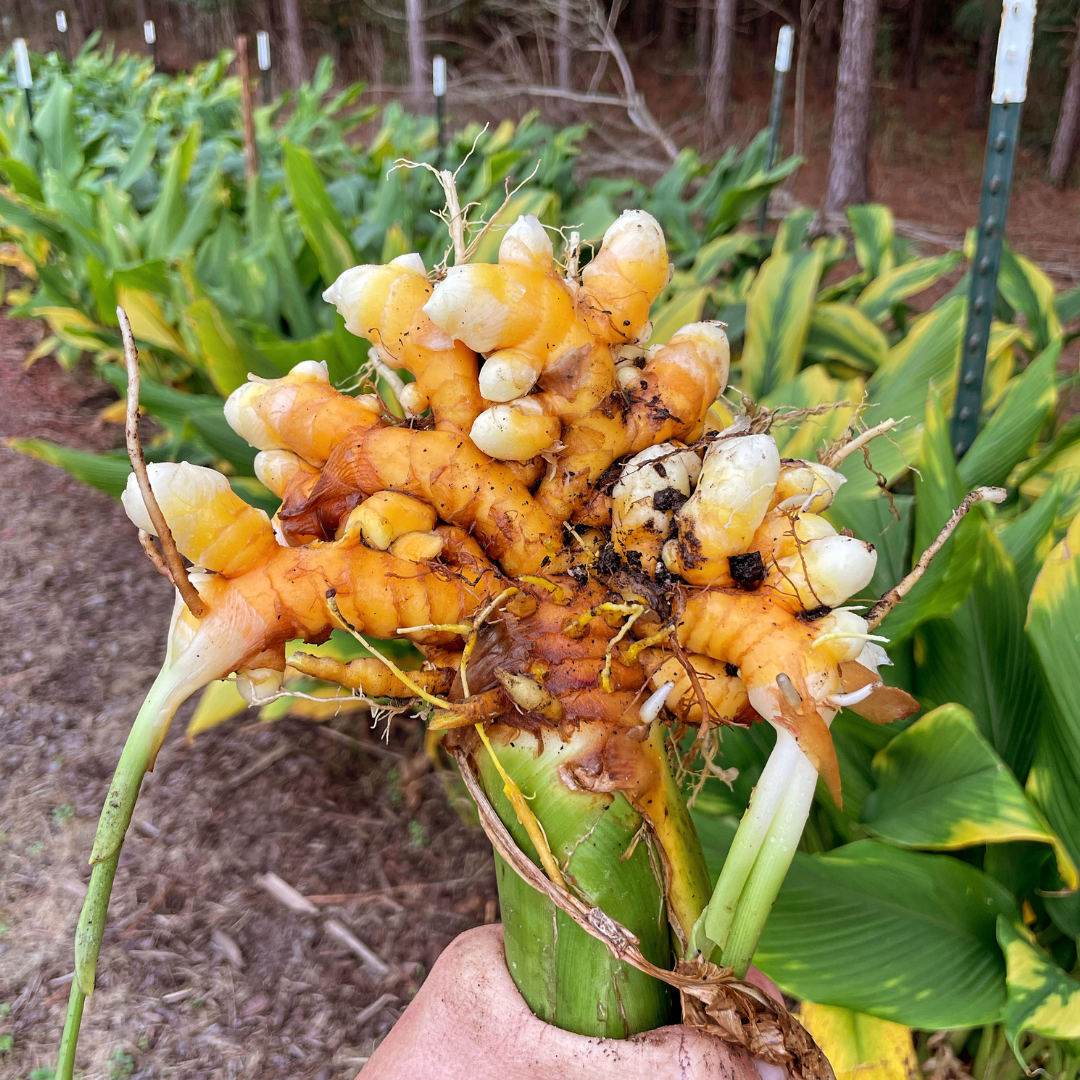
Herbs can support reproductive health naturally.
Examples include:
Moringa
- Rich in vitamins and minerals
- Supports energy and immunity
Mint
- Helps digestion and reduces bloating
Ginger
- Reduces menstrual cramps
Turmeric
- Anti-inflammatory and hormone supportive
Gardening for Mental Health



Gardening offers powerful health benefits:
- Reduces stress hormones
- Improves mood
- Provides physical activity
- Increases vitamin D from sunlight
Spending just 30 minutes gardening each day can improve both physical and emotional wellbeing.
Conclusion
Climate change is not only an environmental issue—it also affects women’s health and reproductive systems. Rising temperatures, pollution, food insecurity, and stress can disrupt hormonal balance and lead to changes in the menstrual cycle.
Fortunately, women can take practical steps to protect their bodies. Staying hydrated, managing stress, eating nutritious foods, and growing healthy plants can strengthen the body and support hormonal health.
Gardening, in particular, offers a powerful solution: it improves nutrition, reduces stress, and reconnects people with nature.
By combining healthy lifestyle habits with sustainable practices, women can build resilience and maintain wellbeing even in a changing climate.