

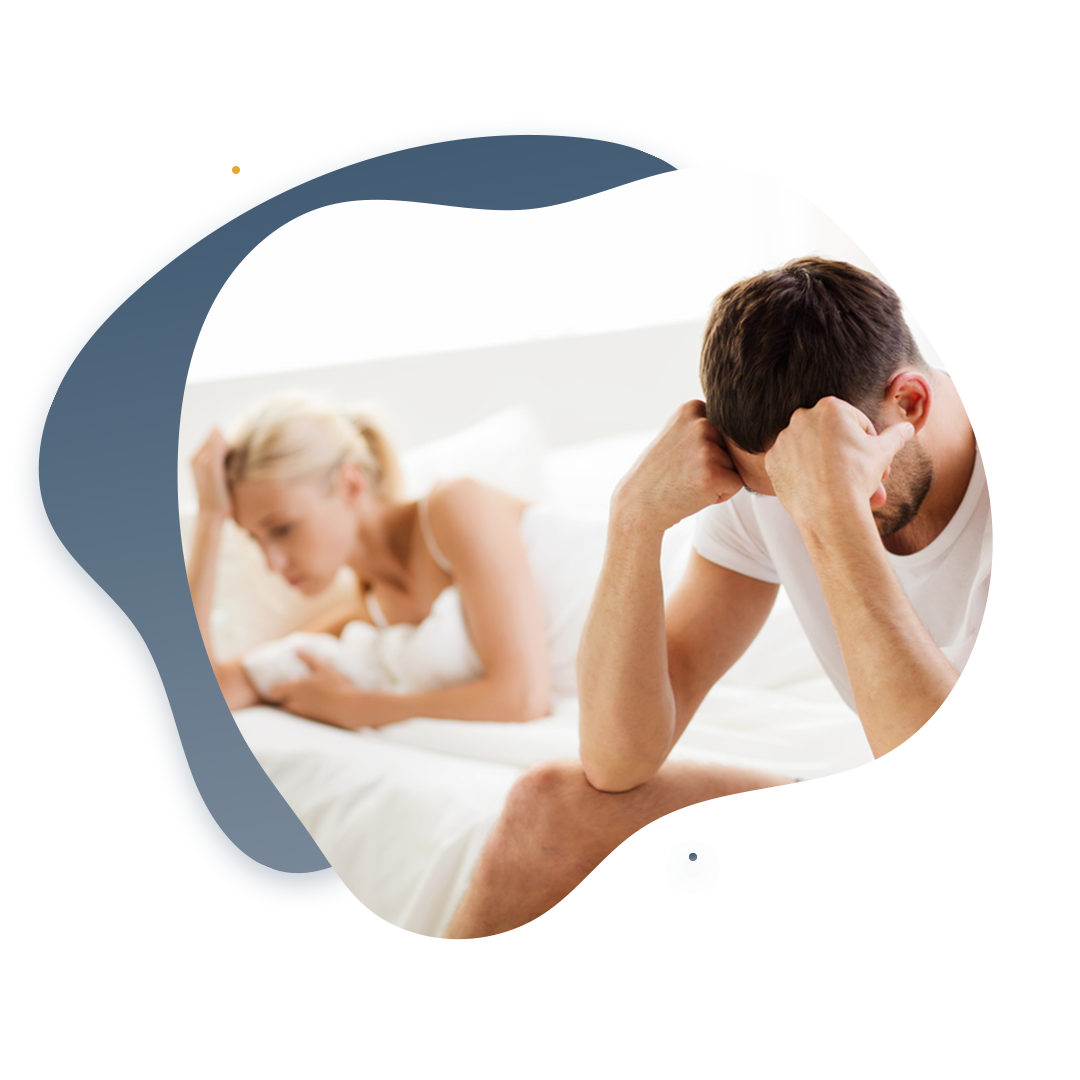
Let’s get one thing straight: if you’ve ever finished the race before your partner even found the starting line, you are not broken, cursed, or uniquely terrible. Premature ejaculation (PE) is the most common male sexual concern worldwide, affecting roughly 1 in 3 men at some point in their lives. You are, statistically speaking, in very crowded company.
So let’s talk about it — honestly, helpfully, and without making it more awkward than it needs to be.
So What Exactly Is PE?
Premature ejaculation is when ejaculation happens sooner than a man or his partner would like — typically within one to two minutes of penetration, and often with minimal control. It can be lifelong (always been this way) or acquired (developed after a period of normal function).
The key word here is control. PE isn’t about a number on a stopwatch. It’s about distress — yours, your partner’s, or both. If it’s causing a problem, it’s worth addressing.
| Quick reality check: The average time to ejaculation during sex is about 5-7 minutes. So if you’ve been aiming for a movie-worthy marathon, relax. Most people aren’t doing that either. |
What Causes It?
PE has many possible causes — psychological, behavioural, and biological. Usually it’s a cocktail of all three.
Psychological Causes & Trauma
- Performance anxiety: The fear of not performing well creates a feedback loop that actually speeds things up. The more you worry, the faster it happens. Classic.
- Early sexual experiences: If your formative encounters involved rushing — sneaking around, fear of being caught — your brain may have wired speed into the process as the default setting.
- Relationship stress or guilt: Unresolved tension with a partner, or deep-seated shame around sex, can manifest physically in ways you don’t expect.
- Past trauma: Sexual trauma or abuse can significantly affect sexual response. This is real, valid, and treatable — ideally with professional support.
- Low self-esteem or body image issues: When you’re in your head critiquing yourself, your body tends to rush the exit.
Habits & Lifestyle Causes
- Compulsive fast masturbation: Training yourself to finish quickly — particularly from years of rushed solo sessions — literally conditions your body to do exactly that. Frequency and pacing matter.
- Infrequent sex: Longer gaps between sexual activity can increase sensitivity and reduce stamina.
- Excessive alcohol or substance use: While a drink might seem to take the edge off, chronic use can disrupt ejaculatory control.
- High stress and poor sleep: Your nervous system governs sexual response. A system running on stress hormones is a system with poor brakes.
Biological Factors
Sometimes the cause is physical: hypersensitivity of the penis, hormonal imbalances (particularly serotonin levels), inflammation of the prostate or urethra, or thyroid issues. A doctor can rule these out with a simple check-up.
How to Actually Fix It
Good news: PE is one of the most treatable sexual health issues out there. Here’s what works.
Behavioural Techniques
- The Stop-Start Method: During solo or partnered activity, stop stimulation just before the point of no return. Wait. Then restart. Repeat. Over time, this builds conscious control.
- The Squeeze Technique: At the same critical moment, squeeze firmly just below the head of the penis for 10-20 seconds until the urge passes. Odd at first, effective over time.
- Slow down your masturbation habits: Take your time. Vary the pace. Practise lasting longer solo before expecting it to happen automatically with a partner.
- Pelvic floor exercises (yes, really): Kegel exercises aren’t just for women. Strengthening pelvic floor muscles improves ejaculatory control noticeably.
Psychological & Relationship Support
- Therapy or counselling: Cognitive behavioural therapy (CBT) and sex therapy address the anxiety and thought patterns driving PE. Highly effective, especially for acquired PE.
- Open communication with your partner: Silence makes everything worse. A calm, non-judgmental conversation can reduce performance pressure enormously.
Medical Options
- Topical anaesthetics: Sprays or creams that reduce penile sensitivity. They work quickly and are available over the counter.
- SSRIs: Certain antidepressants (like dapoxetine, approved specifically for PE) delay ejaculation as a side effect. A doctor can prescribe these.
- Condoms: Thicker condoms reduce sensitivity and can meaningfully extend duration without any prescription required.
| Worth knowing: If PE is linked to trauma or anxiety, behavioural fixes alone may not be enough. Therapy isn’t a last resort — it’s often the most powerful first step. |
The Bottom Line
PE is common, treatable, and nothing to be ashamed of. The worst thing you can do is ignore it and let it quietly chip away at your confidence and relationships. The best thing you can do? Talk about it — to your partner, your doctor, or a therapist.