

Don’t Ignore Painful Periods: The Hidden Dangers of “Just Pushing Through” Painful periods are common. Being told to simply “tough it out” is also common. But severe, worsening, or persistent period pain is not something you should be expected to live with. Sometimes, it is your body’s way of warning that something more serious is going on. Doctors call painful periods dysmenorrhoea. There are two main types. Primary dysmenorrhoea is period pain that happens without another pelvic disease. Secondary dysmenorrhoea is pain caused by an underlying condition such as endometriosis, adenomyosis, fibroids, or pelvic inflammatory disease (PID). The real danger of ignoring painful periods is not only the pain itself. It is the delay in diagnosis and treatment. That delay can allow certain conditions to worsen, affect fertility, cause chronic pelvic pain, increase the risk of anaemia, and damage quality of life. Why periods can hurt For many people, period pain happens because the womb contracts to shed its lining. Chemicals called prostaglandins help trigger these contractions, which is why anti-inflammatory pain medicines often help. NHS guidance lists anti-inflammatory medicines such as naproxen and also notes that hormonal contraception and TENS can be used when pain is severe. But not all period pain is “normal.” When pain becomes severe, changes over time, or comes with other symptoms, it may point to a condition that needs medical attention. NHS advice says to seek review if periods become more painful, heavier, or irregular, or if there is pain during sex, pain when peeing or pooing, or bleeding between periods. Conditions that may be hiding behind painful periods Endometriosis Endometriosis happens when tissue similar to the lining of the womb grows outside the uterus. The World Health Organization describes it as a chronic disease that can cause severe period pain, heavy menstrual bleeding, chronic pelvic pain, infertility, pain with sex, bowel symptoms, urinary symptoms, and mental health effects including anxiety and depression. WHO also notes that it can lead to inflammation and scar tissue formation, and that long delays in diagnosis are common. This is one of the biggest reasons painful periods should never be dismissed. The longer a serious condition goes unrecognized, the longer someone may live with symptoms that deserve treatment and support. NICE guidance specifically focuses on improving recognition, diagnosis, referral, and management of endometriosis. Adenomyosis Adenomyosis can cause heavy bleeding, severe painful periods, pelvic pain, bloating, and pain during sex. Some people have no symptoms, but for others it can make everyday life miserable. Fibroids Fibroids are non-cancerous growths in or around the womb. NHS guidance says they can cause heavy or painful periods, tummy pain, lower back pain, frequent urination, constipation, and pain or discomfort during sex. In some cases, they can also affect fertility. Pelvic inflammatory disease (PID) PID is an infection that needs prompt treatment. NHS states that symptoms may include pelvic pain, pain during sex, heavy or painful periods that are unusual for you, bleeding between periods, and unusual vaginal discharge. If not treated early, PID can lead to abscesses, long-term pelvic pain, fertility problems, and a higher risk of ectopic pregnancy. The dangers of ignoring severe period pain 1. Chronic pelvic pain and scar tissue Conditions like endometriosis can cause ongoing inflammation and scar tissue. Over time, this may contribute to pain that is no longer limited to the days of menstruation. WHO notes that endometriosis can cause chronic pelvic pain and scar tissue formation. 2. Fertility problems Not everyone with painful periods has fertility issues, but some of the underlying causes can affect fertility if left untreated. Endometriosis is linked with infertility, and untreated PID can also damage fertility. 3. Heavy bleeding and iron-deficiency anaemia Painful periods sometimes come with heavy periods. Heavy bleeding is not just inconvenient; it can drain iron stores over time. NHS states that heavy periods are a very common cause of iron-deficiency anaemia. Untreated iron-deficiency anaemia can increase the risk of illness and infection and may lead to heart or lung complications. 4. Missed school, work, and daily life Severe period pain can disrupt concentration, work, education, sleep, exercise, and relationships. When pain stops you from doing normal activities, that is a strong sign it should be medically assessed. NHS says urgent advice is needed if pelvic or period pain is severe or worse than usual and painkillers have not helped. 5. Mental health impact Chronic pain is exhausting. WHO notes that endometriosis can affect mental health, including depression and anxiety. Feeling dismissed can make this burden even heavier. Red flags you should not ignore Please seek medical care promptly if you have: • period pain that is severe, worsening, or not helped by painkillers • heavy bleeding, bleeding between periods, or suddenly irregular periods • pain during sex, or pain when peeing or pooing • unusual vaginal discharge, fever, or feeling unwell • pelvic pain if you are pregnant or might be pregnant. If pregnancy is possible, some symptoms need urgent attention. NHS warns that ectopic pregnancy symptoms can include vaginal bleeding, one-sided tummy pain, shoulder-tip pain, dizziness, fainting, and sudden intense abdominal pain if rupture occurs. What doctors may do A clinician will usually ask about the timing of pain, bleeding pattern, bowel and bladder symptoms, pain during sex, contraception, pregnancy possibility, and infection risk. Depending on the situation, they may do an examination and arrange tests such as pregnancy testing, infection testing, or pelvic ultrasound. NICE guidance on endometriosis exists because normal findings do not always rule out the condition, especially when symptoms continue. What can help Treatment depends on the cause, but common first-line options include: • NSAIDs such as naproxen or similar anti-inflammatory medicines for pain relief. • Hormonal contraception, which may lighten periods and reduce pain. • Heat therapy such as a hot water bottle or heating pad, which has supportive evidence for pain relief. • TENS, which NHS also lists as a treatment option for severe period pain. • Antibiotics if PID is suspected. Early treatment matters. Final word Painful periods should never be minimized when they are severe, getting worse, or interfering with your life. Some cramps are common. Suffering in silence is not a requirement of womanhood. If your pain is changing, disabling, or coming with heavy bleeding, bowel symptoms, unusual discharge, or pain during sex, do not ignore it. Get assessed. Early care can relieve pain, protect fertility, prevent complications, and help you get your life back. This type of image visually represents dysmenorrhoea (painful periods). Many women experience lower abdominal cramping, back pain, fatigue, and nausea during menstruation. When pain becomes severe or interferes with normal daily activities, it is important to seek medical advice rather than ignoring it.

Painful periods are common. Being told to simply “tough it out” is also common. But severe, worsening, or persistent period pain is not something you should be expected to live with. Sometimes, it is your body’s way of warning that something more serious is going on.

Doctors call painful periods dysmenorrhoea. There are two main types. Primary dysmenorrhoea is period pain that happens without another pelvic disease. Secondary dysmenorrhoea is pain caused by an underlying condition such as endometriosis, adenomyosis, fibroids, or pelvic inflammatory disease (PID).

The real danger of ignoring painful periods is not only the pain itself. It is the delay in diagnosis and treatment. That delay can allow certain conditions to worsen, affect fertility, cause chronic pelvic pain, increase the risk of anaemia, and damage quality of life.

Why periods can hurt

For many people, period pain happens because the womb contracts to shed its lining. Chemicals called prostaglandins help trigger these contractions, which is why anti-inflammatory pain medicines often help. NHS guidance lists anti-inflammatory medicines such as naproxen and also notes that hormonal contraception and TENS can be used when pain is severe.
Don’t Ignore Painful Periods: The Hidden Dangers of “Just Pushing Through” Painful periods are common. Being told to simply “tough it out” is also common. But severe, worsening, or persistent period pain is not something you should be expected to live with. Sometimes, it is your body’s way of warning that something more serious is going on. Doctors call painful periods dysmenorrhoea. There are two main types. Primary dysmenorrhoea is period pain that happens without another pelvic disease. Secondary dysmenorrhoea is pain caused by an underlying condition such as endometriosis, adenomyosis, fibroids, or pelvic inflammatory disease (PID). The real danger of ignoring painful periods is not only the pain itself. It is the delay in diagnosis and treatment. That delay can allow certain conditions to worsen, affect fertility, cause chronic pelvic pain, increase the risk of anaemia, and damage quality of life. Why periods can hurt For many people, period pain happens because the womb contracts to shed its lining. Chemicals called prostaglandins help trigger these contractions, which is why anti-inflammatory pain medicines often help. NHS guidance lists anti-inflammatory medicines such as naproxen and also notes that hormonal contraception and TENS can be used when pain is severe. But not all period pain is “normal.” When pain becomes severe, changes over time, or comes with other symptoms, it may point to a condition that needs medical attention. NHS advice says to seek review if periods become more painful, heavier, or irregular, or if there is pain during sex, pain when peeing or pooing, or bleeding between periods. Conditions that may be hiding behind painful periods Endometriosis Endometriosis happens when tissue similar to the lining of the womb grows outside the uterus. The World Health Organization describes it as a chronic disease that can cause severe period pain, heavy menstrual bleeding, chronic pelvic pain, infertility, pain with sex, bowel symptoms, urinary symptoms, and mental health effects including anxiety and depression. WHO also notes that it can lead to inflammation and scar tissue formation, and that long delays in diagnosis are common. This is one of the biggest reasons painful periods should never be dismissed. The longer a serious condition goes unrecognized, the longer someone may live with symptoms that deserve treatment and support. NICE guidance specifically focuses on improving recognition, diagnosis, referral, and management of endometriosis. Adenomyosis Adenomyosis can cause heavy bleeding, severe painful periods, pelvic pain, bloating, and pain during sex. Some people have no symptoms, but for others it can make everyday life miserable. Fibroids Fibroids are non-cancerous growths in or around the womb. NHS guidance says they can cause heavy or painful periods, tummy pain, lower back pain, frequent urination, constipation, and pain or discomfort during sex. In some cases, they can also affect fertility. Pelvic inflammatory disease (PID) PID is an infection that needs prompt treatment. NHS states that symptoms may include pelvic pain, pain during sex, heavy or painful periods that are unusual for you, bleeding between periods, and unusual vaginal discharge. If not treated early, PID can lead to abscesses, long-term pelvic pain, fertility problems, and a higher risk of ectopic pregnancy. The dangers of ignoring severe period pain 1. Chronic pelvic pain and scar tissue Conditions like endometriosis can cause ongoing inflammation and scar tissue. Over time, this may contribute to pain that is no longer limited to the days of menstruation. WHO notes that endometriosis can cause chronic pelvic pain and scar tissue formation. 2. Fertility problems Not everyone with painful periods has fertility issues, but some of the underlying causes can affect fertility if left untreated. Endometriosis is linked with infertility, and untreated PID can also damage fertility. 3. Heavy bleeding and iron-deficiency anaemia Painful periods sometimes come with heavy periods. Heavy bleeding is not just inconvenient; it can drain iron stores over time. NHS states that heavy periods are a very common cause of iron-deficiency anaemia. Untreated iron-deficiency anaemia can increase the risk of illness and infection and may lead to heart or lung complications. 4. Missed school, work, and daily life Severe period pain can disrupt concentration, work, education, sleep, exercise, and relationships. When pain stops you from doing normal activities, that is a strong sign it should be medically assessed. NHS says urgent advice is needed if pelvic or period pain is severe or worse than usual and painkillers have not helped. 5. Mental health impact Chronic pain is exhausting. WHO notes that endometriosis can affect mental health, including depression and anxiety. Feeling dismissed can make this burden even heavier. Red flags you should not ignore Please seek medical care promptly if you have: • period pain that is severe, worsening, or not helped by painkillers • heavy bleeding, bleeding between periods, or suddenly irregular periods • pain during sex, or pain when peeing or pooing • unusual vaginal discharge, fever, or feeling unwell • pelvic pain if you are pregnant or might be pregnant. If pregnancy is possible, some symptoms need urgent attention. NHS warns that ectopic pregnancy symptoms can include vaginal bleeding, one-sided tummy pain, shoulder-tip pain, dizziness, fainting, and sudden intense abdominal pain if rupture occurs. What doctors may do A clinician will usually ask about the timing of pain, bleeding pattern, bowel and bladder symptoms, pain during sex, contraception, pregnancy possibility, and infection risk. Depending on the situation, they may do an examination and arrange tests such as pregnancy testing, infection testing, or pelvic ultrasound. NICE guidance on endometriosis exists because normal findings do not always rule out the condition, especially when symptoms continue. What can help Treatment depends on the cause, but common first-line options include: • NSAIDs such as naproxen or similar anti-inflammatory medicines for pain relief. • Hormonal contraception, which may lighten periods and reduce pain. • Heat therapy such as a hot water bottle or heating pad, which has supportive evidence for pain relief. • TENS, which NHS also lists as a treatment option for severe period pain. • Antibiotics if PID is suspected. Early treatment matters. Final word Painful periods should never be minimized when they are severe, getting worse, or interfering with your life. Some cramps are common. Suffering in silence is not a requirement of womanhood. If your pain is changing, disabling, or coming with heavy bleeding, bowel symptoms, unusual discharge, or pain during sex, do not ignore it. Get assessed. Early care can relieve pain, protect fertility, prevent complications, and help you get your life back. This type of image visually represents dysmenorrhoea (painful periods). Many women experience lower abdominal cramping, back pain, fatigue, and nausea during menstruation. When pain becomes severe or interferes with normal daily activities, it is important to seek medical advice rather than ignoring it.

But not all period pain is “normal.” When pain becomes severe, changes over time, or comes with other symptoms, it may point to a condition that needs medical attention. NHS advice says to seek review if periods become more painful, heavier, or irregular, or if there is pain during sex, pain when peeing or pooing, or bleeding between periods.

Conditions that may be hiding behind painful periods

Endometriosis

Endometriosis happens when tissue similar to the lining of the womb grows outside the uterus. The World Health Organization describes it as a chronic disease that can cause severe period pain, heavy menstrual bleeding, chronic pelvic pain, infertility, pain with sex, bowel symptoms, urinary symptoms, and mental health effects including anxiety and depression. WHO also notes that it can lead to inflammation and scar tissue formation, and that long delays in diagnosis are common.

This is one of the biggest reasons painful periods should never be dismissed. The longer a serious condition goes unrecognized, the longer someone may live with symptoms that deserve treatment and support. NICE guidance specifically focuses on improving recognition, diagnosis, referral, and management of endometriosis.

Adenomyosis

Adenomyosis can cause heavy bleeding, severe painful periods, pelvic pain, bloating, and pain during sex. Some people have no symptoms, but for others it can make everyday life miserable.

Fibroids

Fibroids are non-cancerous growths in or around the womb. NHS guidance says they can cause heavy or painful periods, tummy pain, lower back pain, frequent urination, constipation, and pain or discomfort during sex. In some cases, they can also affect fertility.

Pelvic inflammatory disease (PID)

PID is an infection that needs prompt treatment. NHS states that symptoms may include pelvic pain, pain during sex, heavy or painful periods that are unusual for you, bleeding between periods, and unusual vaginal discharge. If not treated early, PID can lead to abscesses, long-term pelvic pain, fertility problems, and a higher risk of ectopic pregnancy.

The dangers of ignoring severe period pain

  1. Chronic pelvic pain and scar tissue

Conditions like endometriosis can cause ongoing inflammation and scar tissue. Over time, this may contribute to pain that is no longer limited to the days of menstruation. WHO notes that endometriosis can cause chronic pelvic pain and scar tissue formation.

  1. Fertility problems

Not everyone with painful periods has fertility issues, but some of the underlying causes can affect fertility if left untreated. Endometriosis is linked with infertility, and untreated PID can also damage fertility.

  1. Heavy bleeding and iron-deficiency anaemia

Painful periods sometimes come with heavy periods. Heavy bleeding is not just inconvenient; it can drain iron stores over time. NHS states that heavy periods are a very common cause of iron-deficiency anaemia. Untreated iron-deficiency anaemia can increase the risk of illness and infection and may lead to heart or lung complications.

  1. Missed school, work, and daily life

Severe period pain can disrupt concentration, work, education, sleep, exercise, and relationships. When pain stops you from doing normal activities, that is a strong sign it should be medically assessed. NHS says urgent advice is needed if pelvic or period pain is severe or worse than usual and painkillers have not helped.

  1. Mental health impact

Chronic pain is exhausting. WHO notes that endometriosis can affect mental health, including depression and anxiety. Feeling dismissed can make this burden even heavier.

Red flags you should not ignore

Please seek medical care promptly if you have:

  • period pain that is severe, worsening, or not helped by painkillers
  • heavy bleeding, bleeding between periods, or suddenly irregular periods
  • pain during sex, or pain when peeing or pooing
  • unusual vaginal discharge, fever, or feeling unwell
  • pelvic pain if you are pregnant or might be pregnant.

If pregnancy is possible, some symptoms need urgent attention. NHS warns that ectopic pregnancy symptoms can include vaginal bleeding, one-sided tummy pain, shoulder-tip pain, dizziness, fainting, and sudden intense abdominal pain if rupture occurs.

What doctors may do

A clinician will usually ask about the timing of pain, bleeding pattern, bowel and bladder symptoms, pain during sex, contraception, pregnancy possibility, and infection risk. Depending on the situation, they may do an examination and arrange tests such as pregnancy testing, infection testing, or pelvic ultrasound. NICE guidance on endometriosis exists because normal findings do not always rule out the condition, especially when symptoms continue.

What can help

Treatment depends on the cause, but common first-line options include:

  • NSAIDs such as naproxen or similar anti-inflammatory medicines for pain relief.
  • Hormonal contraception, which may lighten periods and reduce pain.
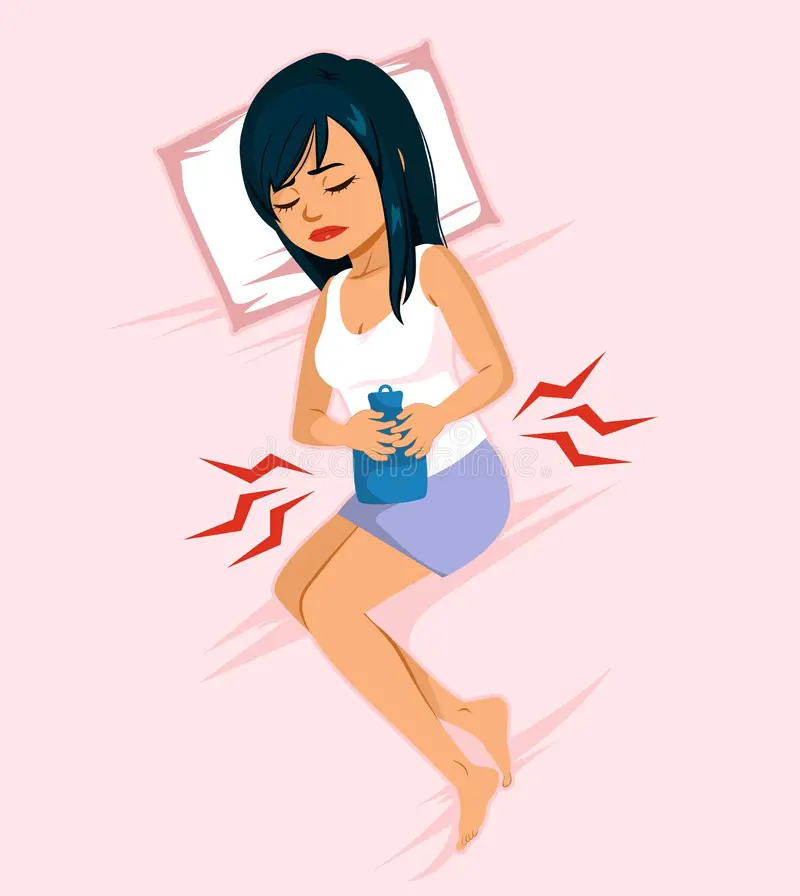
  • Heat therapy such as a hot water bottle or heating pad, which has supportive evidence for pain relief.
  • TENS, which NHS also lists as a treatment option for severe period pain.
  • Antibiotics if PID is suspected. Early treatment matters.

Final word

Painful periods should never be minimized when they are severe, getting worse, or interfering with your life. Some cramps are common. Suffering in silence is not a requirement of womanhood.

If your pain is changing, disabling, or coming with heavy bleeding, bowel symptoms, unusual discharge, or pain during sex, do not ignore it. Get assessed. Early care can relieve pain, protect fertility, prevent complications, and help you get your life back.


By Suzzy

Leave a Reply

Your email address will not be published. Required fields are marked *