

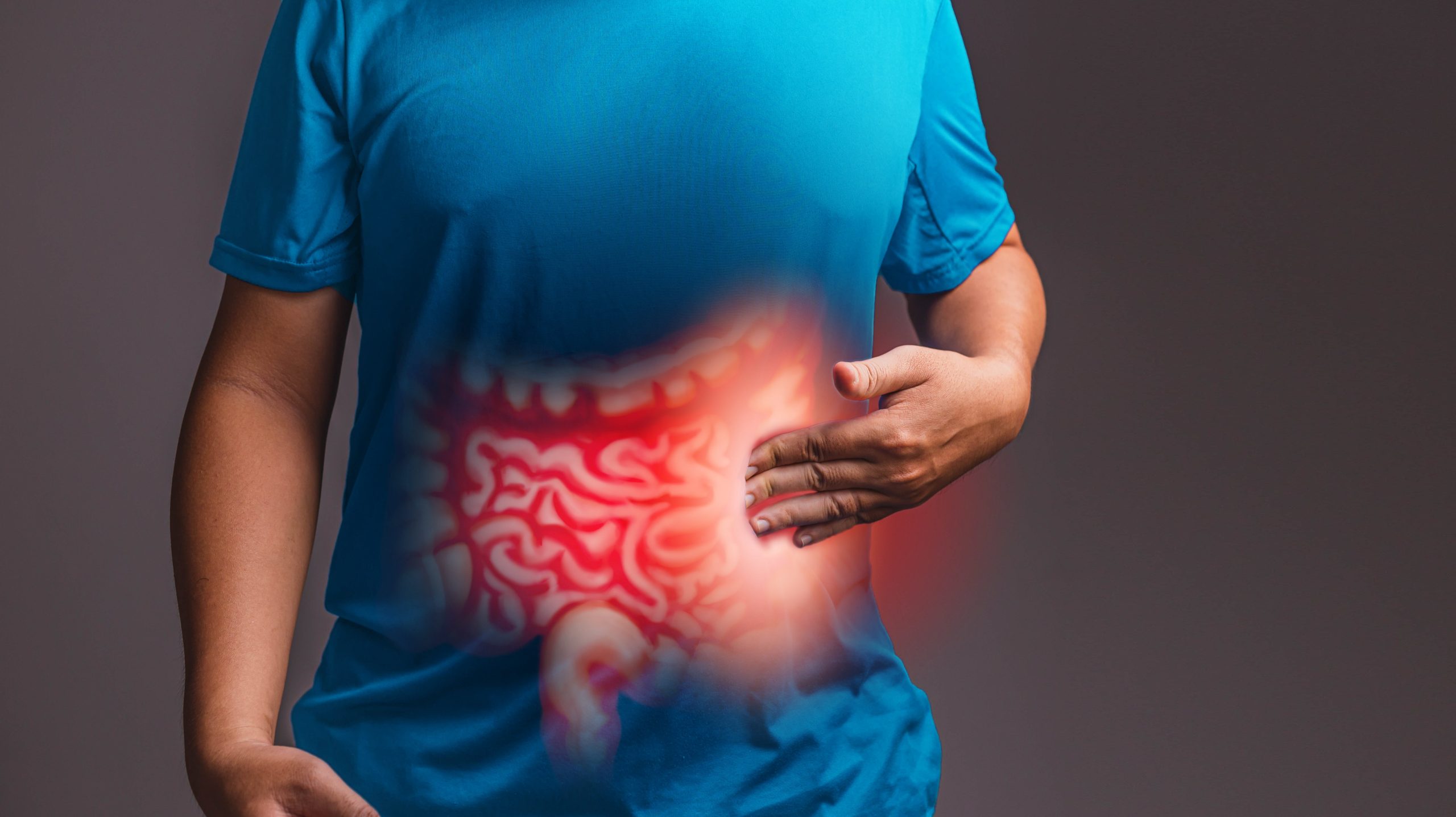
Inside your body lives an entire universe. Around 38 trillion microorganisms inhabit your digestive system, forming what scientists call the gut microbiome. These bacteria, fungi, and microbes influence nearly every aspect of your health — from digestion and immunity to mood, energy levels, and even mental clarity.
What you eat determines whether this microscopic ecosystem thrives or struggles. Feed it well, and your body functions at its best. Neglect it, and problems can begin to appear in surprising ways.
In recent years, research has revealed something our ancestors practiced long before modern science: fermented foods are one of the most powerful tools for supporting gut health.
Foods like kombucha, kimchi, and kefir have been consumed for thousands of years across cultures. Today, scientists are confirming what traditional diets already knew — fermentation helps populate the gut with beneficial bacteria that support overall wellbeing.
The Gut Microbiome: Your Inner Ecosystem
The gut microbiome is often called the body’s “second brain.” This is not just a metaphor. Your gut and brain communicate constantly through what scientists call the gut-brain axis.
The microbes living in your digestive system help:
- Break down food and absorb nutrients
- Produce important vitamins like B12 and K
- Support immune system function
- Regulate inflammation
- Influence mood and mental health
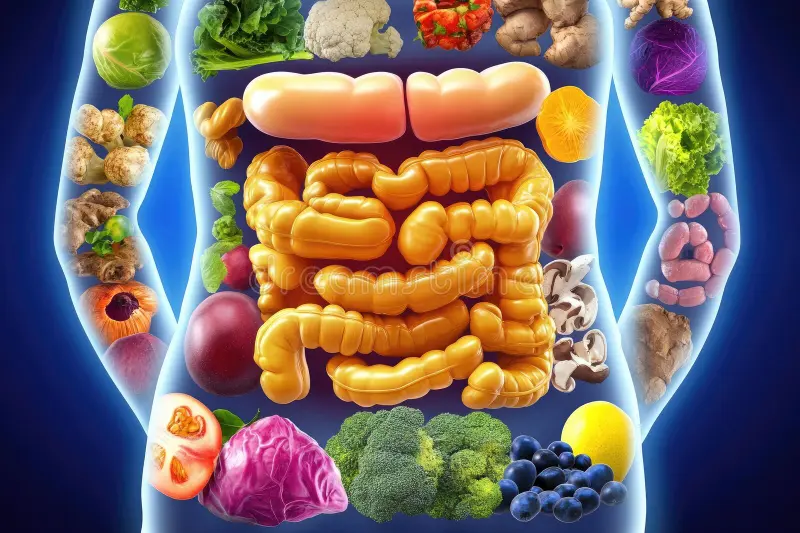
In fact, about 90% of the body’s serotonin — a key hormone that affects happiness and emotional balance — is produced in the gut.
When your microbiome is balanced and diverse, digestion is smoother, immunity is stronger, and energy levels tend to be more stable. But when harmful bacteria begin to dominate, issues such as bloating, fatigue, skin problems, and digestive discomfort can appear.
One of the most effective ways to support this internal ecosystem is by regularly consuming fermented foods.
Kombucha: The Living Tea
Kombucha is a fermented tea that has been enjoyed for more than 2,000 years, believed to have originated in ancient China. It is made by fermenting sweetened tea with a culture of bacteria and yeast known as a SCOBY (Symbiotic Culture of Bacteria and Yeast).
During fermentation, the microbes consume sugar and produce beneficial compounds such as organic acids, probiotics, and antioxidants.
The result is a lightly sparkling drink with a slightly tangy taste that many people enjoy as a refreshing alternative to sugary sodas.
Potential benefits of kombucha include:
- Supporting healthy digestion
- Introducing beneficial probiotics into the gut
- Providing antioxidants that help reduce inflammation
- Supporting liver detoxification
Because kombucha contains live cultures, it contributes to microbial diversity in the gut — a key factor in overall digestive health.
Kimchi: A Korean Superfood
Kimchi is a traditional Korean dish made from fermented vegetables, most commonly cabbage and radishes, seasoned with garlic, ginger, chili pepper, and salt.
For centuries, Korean families have prepared kimchi as a staple food, often fermenting large batches to last through the winter months.
What makes kimchi especially powerful is the combination of probiotic bacteria and nutrient-rich vegetables. During fermentation, beneficial bacteria such as Lactobacillus multiply and help create the sour flavor characteristic of the dish.
Research suggests that kimchi may help:
- Improve digestion
- Strengthen immune function
- Reduce inflammation
- Support heart health
Kimchi is also rich in vitamins A, C, and K, as well as fiber that feeds beneficial gut bacteria.
Adding small servings of kimchi to meals can introduce both probiotics and plant nutrients that help support a healthy microbiome.
Kefir: The Ancient Probiotic Drink
Kefir is a fermented milk drink that originated in the Caucasus Mountains and has been consumed for centuries for its health benefits.
It is made by fermenting milk with kefir grains, which are clusters of bacteria and yeast that resemble small cauliflower florets.
Unlike yogurt, kefir contains a much wider variety of probiotic strains, making it one of the most potent probiotic foods available.
Kefir is known for:
- Improving digestion
- Supporting lactose digestion
- Strengthening immune defenses
- Promoting a diverse gut microbiome
It also provides important nutrients including protein, calcium, and B vitamins, making it both nutritious and beneficial for gut health.
For many people, kefir is an easy daily addition — enjoyed in smoothies, poured over fruit, or consumed on its own.
Why Fermented Foods Matter
Fermentation is one of humanity’s oldest food preservation techniques. Long before refrigeration existed, cultures around the world discovered that allowing natural bacteria to transform foods not only preserved them but also enhanced their nutritional value.
During fermentation, microorganisms break down sugars and starches into beneficial compounds such as:
- Probiotics
- Organic acids
- Enzymes
- Bioavailable nutrients
These compounds help improve digestion and make nutrients easier for the body to absorb.
Regularly consuming fermented foods may help maintain microbial balance in the gut — a key factor for long-term health.
Signs Your Gut May Need Support
When the gut microbiome becomes imbalanced, the body often sends subtle signals. Some common signs include:
- Frequent bloating or gas
- Digestive discomfort
- Fatigue
- Brain fog
- Skin issues such as acne or eczema
- Frequent colds or infections
While these symptoms can have many causes, improving gut health through diet is often a powerful first step.
Simple Ways to Support Gut Health
Improving gut health does not require complicated routines. A few consistent habits can make a significant difference.
- Eat More Fermented Foods
Incorporate foods like kombucha, kimchi, kefir, yogurt, sauerkraut, or miso into your diet. - Increase Fiber Intake
Fiber acts as fuel for beneficial gut bacteria. Vegetables, fruits, legumes, and whole grains are excellent sources. - Reduce Ultra-Processed Foods
Highly processed foods can disrupt the balance of gut bacteria and contribute to inflammation. - Stay Hydrated
Adequate water intake supports digestion and nutrient absorption. - Manage Stress
Chronic stress can negatively affect the gut-brain connection and disrupt microbial balance.
The Takeaway
Your gut is far more than just a digestive organ. It is a living ecosystem that plays a central role in your health, energy, immunity, and even emotional wellbeing.
Fermented foods like kombucha, kimchi, and kefir represent thousands of years of traditional wisdom — now supported by modern science.
By nourishing the trillions of microbes that live within you, you are investing in one of the most powerful foundations of long-term health.
In many ways, the path to better wellbeing begins with a simple question:
Are you feeding your gut the foods it needs to thrive?